
Buying logs in winter: what UK stove owners should check
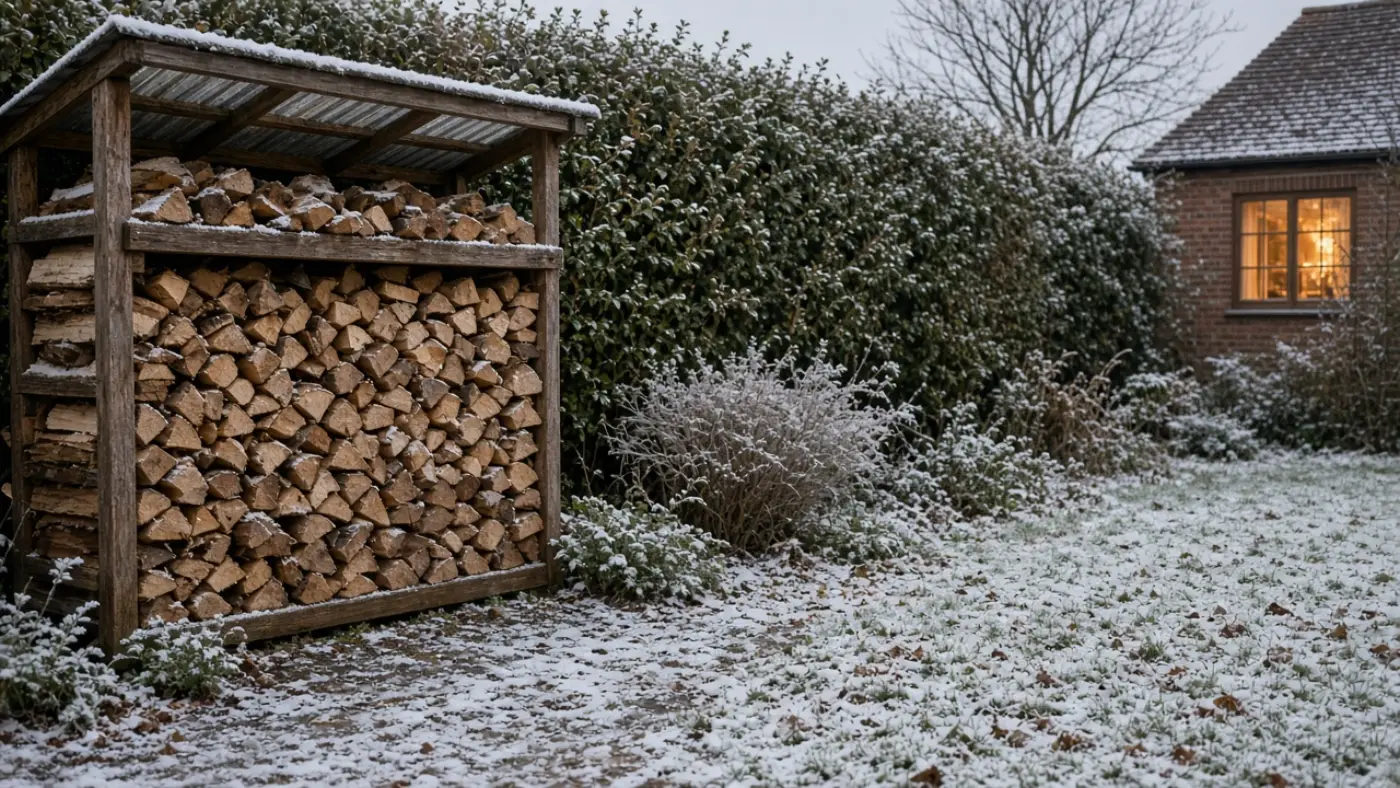
Most people search for logs when the weather turns cold. Winter is a fair time to order if you know what you are buying. The trap is a late, wet load that cannot be seasoned in time for this heating season. The checks below are for stove owners who need fuel now.
What winter changes about the order
In winter you are more likely to need wood that is already dry. You have less spare time for a large unseasoned pile to sit in the sun. HETAS says late spring is generally the useful time to start seasoning, because you avoid the wetter months at the start and give the stack a summer of sun. Hardwood, HETAS adds, generally takes between eighteen months and two years to dry enough. A January tipper of green wood will not be ready for this winter’s stove.
That is why a winter shop should start with moisture, not with the first available lorry. GOV.UK says wood sold for domestic use in volumes of less than 2 cubic metres must be certified Ready to Burn, which confirms a moisture content of 20 percent or less. Those smaller bags and loose volumes are the legal route to fuel you can use at once, provided you keep it dry after delivery.
If you can wait until the quieter months, our guide to buying logs in summer covers planning, storage and choice. This page is for the search you make when the store is already low.
Small bags versus a winter bulk load
A garage net or a small retail bag sold under 2 cubic metres must show the Ready to Burn logo, the supplier name and the unique certification number. The Ready to Burn scheme is run by Woodsure for wood fuel on behalf of Defra. Check the number if you want to confirm the certificate. Those bags are designed for people who will burn the wood soon.
A bulk bag, crate or trailer load can still be a winter buy if the volume and the dryness are clear. GOV.UK treats a loose volume of less than 2 cubic metres as a small sale that must be Ready to Burn. A crate or trailer load of 2 cubic metres or more does not need that certificate, but the supplier must give you the official customer notice. That notice says the wood is not suitable for burning until it has a moisture content of 20 percent or less, and that drying takes at least two years in a sunny, well-aired space with rain kept off in winter.
Read the notice before you treat a large winter load as tonight’s fuel. If the supplier says the wood is already dry, ask how they know. A moisture meter on a freshly split face is the check HETAS and the GOV.UK notice both describe. Our volume guide explains what a cubic metre, a bulk bag and a loose load mean so you know which rule applies.
Delivery and access in wet weather
Winter deliveries often arrive in rain or on soft ground. Ask whether the load travels under a cover, where it will be placed, and whether a tipper, a crate or bags can reach your store. A bag left on a wet driveway overnight can undo Ready to Burn dryness. Have pallets or a raised store ready, as set out in how to store firewood outdoors.
If you live in a smoke control area, GOV.UK smoke control rules say you must not release smoke from a chimney, and you can only burn wood in an appliance approved by Defra, often called an exempt appliance. GOV.UK also tells sellers they must inform customers that wood can only be used in an appropriate exempt appliance in a smoke control area. Ask your council if you are unsure, and ask the supplier what they tell customers in those areas.
A short winter checklist
- Do I need fuel this week, or am I filling a store for later?
- Is the volume under 2 cubic metres and certified Ready to Burn?
- If the volume is larger, have I read the official drying notice and checked moisture?
- Is the wood kiln-dried or seasoned, and is that more than a label? See kiln-dried versus seasoned logs.
- Is the store ready so the delivery does not sit in the rain?
Wet wood is a poor winter bargain even when the quote looks low. HETAS says wet wood gives much less heat per log, more soot, more creosote and a higher chimney-fire risk, because energy is spent driving off water. The legal and health side is in burning wet wood: the risks and the UK rules.
Where to look on this site
Start with find suppliers on the home search, then the supplier database and all suppliers. County pages for East Sussex, West Sussex, Kent and Surrey group local listings. Published prices and stock notes are snapshots. Confirm availability, volume and moisture with the business, because winter stock changes.
Listings on Log Price Guide are free to add or correct. If a supplier pays for extra placement, the plans are Featured at £95 a year and Premium at £199 a year. A paid label is not a moisture certificate. Still ask for Ready to Burn details or a meter reading.
If you get through this winter and want an easier next year, put a reminder in for a quieter month, read the summer buying guide, and choose local log suppliers while you still have time to stack the store properly.
Common questions
Can I still buy logs in winter in England?
Yes. Small-volume sales of less than 2 cubic metres must be certified Ready to Burn. Larger loads can still be sold if the supplier gives you the official customer notice. The winter job is to find dry wood and keep it dry after delivery.
Is it too late to season wet wood bought in January?
The official GOV.UK notice for large sales says to dry wood for at least two years in a sunny, well-aired space. HETAS says hardwood generally takes eighteen months to two years. A wet winter load is for next year’s store, not for this week’s stove, unless it is already at or below 20 percent moisture.
What should I buy if I need a fire this week?
Look for wood sold in a volume of less than 2 cubic metres with the Ready to Burn logo, supplier name and certification number. That certification confirms a moisture content of 20 percent or less at sale. Keep the bag under cover after it arrives.
Should I wait until summer instead?
If you can plan ahead, buying earlier gives you more time to stack and dry wood. If the stove is already in use, order dry certified wood now and put a reminder in the diary for next year’s store. Log Price Guide lists suppliers all year.